How a Home Inspector in Chattanooga Tennessee Helps You Make Smarter Decisions
As a certified and licensed Chattanooga Home Inspector, I see the same thing every week. People want clear answers before they move forward. Buyers want to know what they’re really getting. Agents want fewer last-minute surprises. Builders and contractors want a better final handoff.
That’s where a careful home inspector can make a real difference. In the Chattanooga TN area, homes often deal with moisture, drainage, crawl space issues, roofing wear, grading problems, HVAC strain, and foundation movement. Our weather, hills, shade, and mix of older and newer homes all play a part.
A good inspection doesn’t kill deals. It brings facts to the surface so everyone can plan with confidence in the home buying process.
Why local experience matters when hiring a Chattanooga Home Inspector
A home inspection is never just a checklist. In Chattanooga TN, local experience matters because the same defect can show up in different ways depending on the lot, the age of the home, and how water moves across the property during property inspection.
Some homes sit on steep grades. Others were built decades ago, before modern moisture control and ventilation practices became common. Newer homes can have issues too, especially when final grading, drainage, or punch-list details were rushed. So, the best inspections come from someone who understands how Chattanooga homes behave over time.
A local inspector learns patterns. You start to notice how shaded lots stay damp longer, how downspouts dump water near crawl spaces, and how older roof lines can hide leak paths. That kind of pattern recognition helps people avoid costly surprises later.
Chattanooga homes face local conditions that can hide costly potential problems
A house on a slope can look fine from the driveway and still have runoff pushing toward the foundation. A shaded backyard may stay wet long after the rain stops. Over time, that extra moisture can affect siding, decks, crawl spaces, basements, and even indoor air.
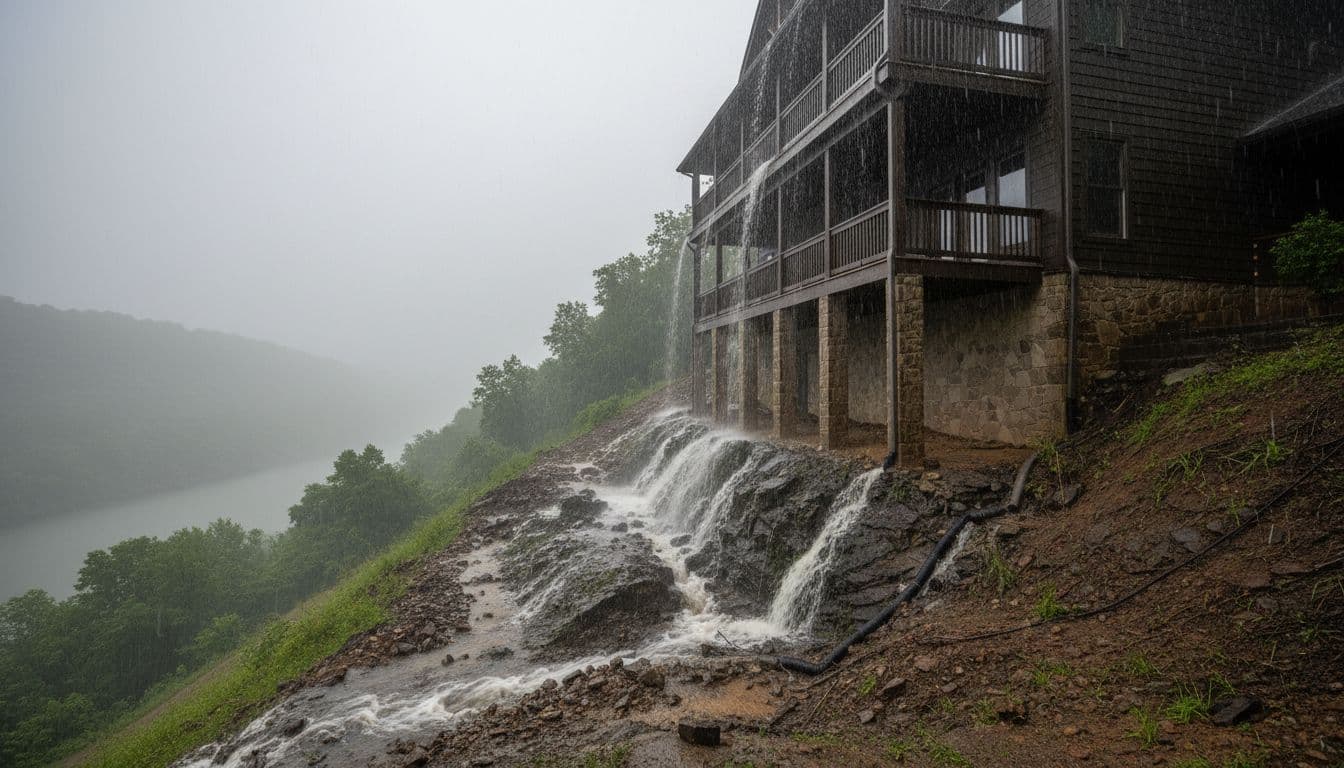 Roofs also take a beating here. Heavy rain can expose weak flashing, worn shingles, or clogged gutters. Meanwhile, humid air can turn a poorly vented attic into a moisture trap. On older homes, those issues may hide behind patchwork repairs or cosmetic updates.
That’s why local knowledge helps. It trains the eye to look past fresh paint and clean landscaping.
A trained inspector reads the whole house, not just one issue at a time
Homes work like connected systems. Poor grading may send water toward the house. That moisture may raise humidity in the crawl space during crawl space inspection. Then wood begins to swell or decay, insulation sags, and musty air starts finding its way indoors.
The same goes for small cracks, sticking doors, and uneven floors. One item alone may not mean much. But together, they can point to movement, drainage trouble, or long-term settlement. A trained inspector connects those dots.
A useful inspection report doesn’t just list defects. It shows how one condition may affect the rest of the home.
That full-house view from local professionals helps buyers stay calm, agents explain priorities, and builders fix the right things before closing.
What a Thorough Home Inspection Should Cover from Roof to Foundation
A standard home inspection should look at the visible and readily accessible parts of the house. The goal is simple, find safety concerns, major defects, and maintenance items that matter. That way, clients can decide what needs repair now, what needs monitoring, and what simply needs upkeep.
I tell clients to think of the inspection as a health check for the home. It won’t predict every future problem. It also won’t open walls or move furniture. Still, it should give a solid picture of the home’s current condition.
Exterior, Foundation and Roof, Attic, and Structure Checks That Protect You from Big Surprises
Outside the home, I look at siding, trim, flashing, gutters, downspouts, windows, doors, grading, decks, porches, and visible foundation areas. Water is often the main story. In Chattanooga, TN’s wet and humid climate, small exterior flaws can become bigger issues if they let moisture in.
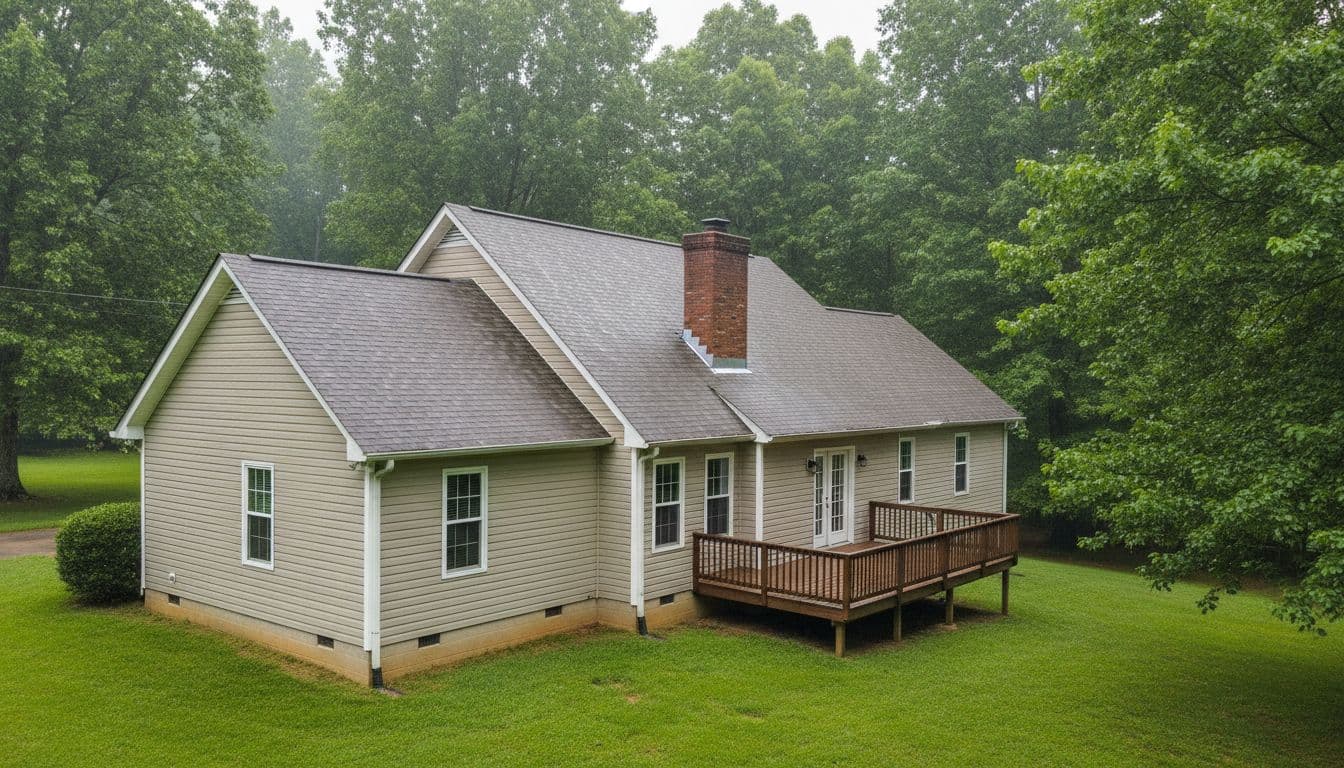 At the roof, I check the covering materials, visible wear, flashing details, penetrations, drainage, and signs of past leaks. In the attic, I look for staining, insulation problems, ventilation concerns, and framing conditions that may point to hidden moisture trouble.
Visible structural concerns also matter. That may include cracks, movement, sagging, damaged supports, or signs that past repairs need a closer look. None of this is about nitpicking. It’s about catching the expensive stuff before it catches you.
Electrical, Plumbing, HVAC, and Interior Items That Affect Comfort and Safety
Inside, the inspection keeps moving system by system. I check the electrical panel, visible wiring, outlet safety where accessible, and common concerns such as missing GFCI protection in places that should have it. Electrical defects can be easy to ignore because the lights still turn on. Still, safety issues deserve attention.
Plumbing checks include visible leaks, fixture operation, drain function, water heater basics, and gas leak detection where applicable. I also look for signs of past water damage around sinks, tubs, and utility areas. Even a slow drip can leave a long trail of damage over time.
Heating and cooling matter too, especially during Chattanooga’s hot, humid months. I inspect the visible equipment, test basic operation when conditions allow, and note concerns that may affect performance or comfort. Then I move through the interior, checking walls, ceilings, floors, windows, doors, stairs, and built-in appliances for visible defects and wear.
Clients often enhance these inspection services with specialized add-ons like radon testing, mold testing, septic inspection, water quality testing, and pool and spa inspection. These options provide a more complete picture of potential hidden issues.
What buyers, agents, and builders should expect before, during, and after the inspection
The inspection process works best when everyone knows what to expect. Buyers often feel anxious. Agents are watching the timeline. Builders and contractors are usually focused on closeout and clean turnover. A clear process helps all three.
Before the appointment, make access easy and bring your biggest concerns
A smooth inspection starts with access. Gates should be unlocked. Attic hatches should be clear. Electrical panels, crawl space doors, mechanical rooms, and garage walls should be reachable. Utilities should be on whenever possible.
It also helps to share known repairs or trouble spots up front. If a roof leaked last year, say so. If a bathroom was recently rebuilt, mention it. That background adds context and helps focus attention where it matters.
Buyers and agents should attend when possible, especially near the end, for a Buyer’s Inspection or Pre-Listing Inspection. Walking through findings in person often makes the report easier to understand. For new construction building inspections, builders and contractors can also benefit from being available for questions about finishes, systems, and incomplete work.
During the inspection, expect clear notes, photos, and honest answers
On site, my job is to stay calm, factual, and thorough during a thorough home inspection. I’m there to observe, test standard functions, document what I see, and explain it in plain language. Photos matter because they show location and condition in the home inspection report. Notes matter because they separate noise from real concerns.
I also explain the difference between three common categories:
- Defect: A condition that is unsafe, not working right, or beyond normal wear.
- Maintenance item: Something that needs upkeep, service, or routine correction.
- Monitor item: A condition to watch over time because it may change.
That distinction helps people keep perspective. Not every issue is a deal-breaker. Some are simple fixes. Others call for a licensed specialist.
The best inspection conversations leave people informed, not alarmed.
After the report, use the findings to negotiate, repair, or plan maintenance
Once the home inspection report is delivered, the next step depends on the client. Buyers may use it to negotiate repairs, ask for credits, or decide what they can handle after move-in. Agents can use the report to sort big-ticket items from minor upkeep, which keeps the conversation focused and practical.
For builders and contractors, the report can work like a detailed pre-close checklist. It may flag incomplete trim, missing sealant, grading concerns, HVAC performance issues, or safety items that should be fixed before final handoff. That can save time, prevent callbacks, and help protect the reputation of the project.
The key is to treat the report as a planning tool, not a panic button. A good report gives direction.
How to choose the right Chattanooga home inspector with confidence
Choosing an inspector shouldn’t feel like guesswork. The Home Inspection Fee matters, but clarity matters more. Check Customer Reviews, confirm you can Schedule Online, and ask about Saturday Inspections. You want someone who knows local homes, communicates well, and delivers a report you can actually use.
Look for licensing, training, and reports that are easy to understand
Start with the basics. Look for a Licensed Home Inspector who is also a Certified Inspector, with solid training, current knowledge, and proper insurance. Those are not extras. They show that the inspector takes the work seriously.
Then ask to see a sample report. A strong report should be clear, photo-rich, and written in plain language. You shouldn’t need a translator to figure out what needs attention. Accuracy also matters more than the cheapest fee. A rushed inspection can cost far more later.
Choose an inspector who explains findings in plain English
The right inspector talks to people, not at them. First-time buyers need calm guidance. Experienced agents need clear priorities. Contractors want direct comments they can act on. The same report should support all three without turning into a wall of jargon.
That’s a big part of my job as a Professional Home Inspector. I’m not there to impress anyone with technical language. I’m there to help people understand the home, the risks, and the next steps.
In the end, a strong inspection experience feels steady and useful. You walk away with answers, not confusion.
A home can be old, brand new, or somewhere in between, but the goal stays the same, clear facts, safer decisions, and better planning. As a certified and licensed inspector, I believe people make better choices when they understand the house in front of them. If you’re buying, selling, representing a client, or finishing new construction in the Chattanooga TN real estate market, a qualified Chattanooga Home Inspector can provide a Thorough Home Inspection, detailed Property Inspection, and Home Inspection Report to protect both the property and the people making decisions about it in Chattanooga TN.