
Home Inspector Dalton, Georgia: What to Expect and Why It Matters
Buying, selling, or building a home in Whitfield County comes with plenty of moving parts. Home inspections help slow things down just enough to see what the house is really saying before a small issue turns into a costly surprise.
In Dalton, Georgia, that matters more than some people expect. North Georgia homes face moisture issues, crawl spaces, roof wear, drainage problems, and the normal aging that comes with older houses. Even newer homes can hide defects behind fresh paint and clean finishes.
From the standpoint of a licensed and insured home inspection professional providing residential and commercial services, the goal is simple: provide clear facts, highlight visible concerns, and help them take smart next steps. That applies to buyers, sellers, agents, and owners building a new home.
What a Dalton home inspection covers, and why each part matters
Home inspections look at the home’s visible and accessible parts through a thorough structural and mechanical evaluation. They do not promise a perfect house. Instead, they give a clear snapshot of the property condition on the day of the visit.
That snapshot matters because homes in Dalton often face a mix of weather and wear. Heavy rain can expose grading problems. Humid conditions can affect crawl spaces and attics. Older roofs, aging siding, and poor ventilation can also create repair issues that grow over time.
A solid inspection usually covers the roof, attic, exterior, foundation, crawl space or basement, HVAC, plumbing, electrical systems, windows, doors, insulation, and built-in appliances. Each area tells part of the story. A worn roof can lead to interior staining. A wet crawl space can affect the flooring above it. A bad electrical connection can become a safety issue, not just an inconvenience.
### The main systems a home inspector checks during the visit
Most inspections move through the home in a practical order, from outside to inside. Inspectors often use thermal imaging and infrared technology to detect hidden issues. The key areas usually include:
- Roof and attic: Signs of aging shingles, leaks, flashing trouble, and poor ventilation.
- Exterior and grading: Siding damage, wood rot, cracks, and whether water drains away from the house.
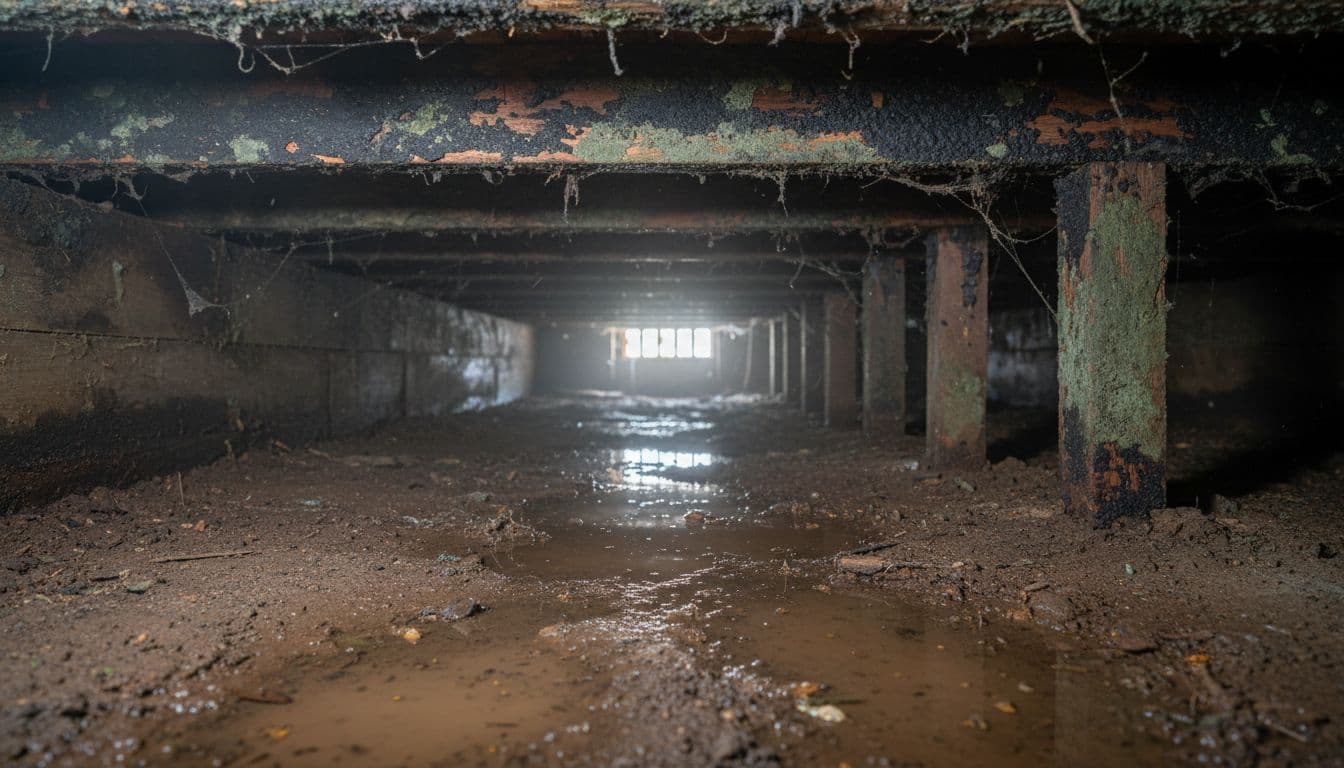
- Foundation and crawl space: Moisture, standing water, insulation problems, wood damage, visible foundation concerns, and other structural issues.
- HVAC system: Basic operation, airflow, age-related wear, and signs that the HVAC system may need service.
- Plumbing: Leaks, water pressure issues, drain problems, and visible pipe defects.
- Electrical systems: Panel condition, exposed wiring, missing covers, and other safety concerns.
- Interior areas: Floors, walls, ceilings, windows, doors, stairs, and garage safety items.
Each item matters because it affects one of three things: safety, repair cost, or daily function. Sometimes a home has no major defect, just a long maintenance list. That still helps people plan.
Common issues found in Dalton and North Georgia homes
Local homes often show the same trouble spots, even when the houses look very different from the street. These findings are typical for homes in Dalton, Ringgold, GA, Chattanooga, TN, and surrounding areas. Crawl space moisture is one of the biggest. Poor drainage, missing vapor barriers, or blocked vents can leave wood damp for too long.
 Roof aging also often shows up, especially after years of sun, storms, and seasonal weather shifts. In addition, older homes may have wood rot around trim, loose handrails, dated electrical panels, or cracks in masonry and foundations. Some cracks are minor, while others deserve a closer look from a specialist.
Ventilation problems are common too. An attic that traps heat and moisture can shorten roof life and affect insulation. Meanwhile, an HVAC system may run but still cool unevenly or show signs of deferred service.
Home inspections are not about scaring anyone. It’s about finding the house’s weak spots before they become your problem on moving day.
When to schedule a home inspection in Dalton, Georgia
Timing for home inspections matters almost as much as the inspection itself. The right inspection at the right stage during a real estate transaction can save money, reduce stress, and prevent ugly surprises near closing.
For buyers, the inspection usually happens during the due diligence or inspection period. That gives time to review findings, ask follow-up questions, and decide what to request from the seller. Without that step, a buyer may only learn about roof leaks, unsafe wiring, or crawl space damage after moving in.
Before buying a home, you should know what you are really getting
A buyer’s inspection provides context that photos and showings can’t. The kitchen may look spotless, yet the crawl space could be damp. The house may feel comfortable, but the air conditioner could be near the end of its life.
That information shapes better decisions. Sometimes buyers ask for repairs. Other times, they request a credit or an adjustment to the offer. In some cases, they move forward with no changes because the issues are minor and expected for the home’s age. Buyers often add specialty services such as radon testing (including a 48-hour test), termite inspection, sewer scope, and mold testing to assess health and safety, especially related to indoor air quality.
Most importantly, the report helps buyers move from emotion to facts. A house can still be the right fit even with defects. The key is knowing what those defects are.
Before listing a home, sellers can fix problems early
A pre-listing inspection can make a sale go more smoothly. Sellers have a chance to find issues before a buyer does, which means they can repair them, price the home more accurately, or at least prepare for the conversation.
That helps homeowners and listing agents alike. Instead of scrambling after the buyer’s report arrives, the seller can walk into the market with fewer unknowns. It also lowers the chance of a deal slowing down over something that could have been handled early, like a loose deck rail, plumbing leak, or bad GFCI outlet.
During new construction, so problems get caught before move-in
New construction needs inspections, too. Fresh paint and brand-new systems don’t erase the chance of missing flashing, poor grading, framing defects, or incomplete work behind the walls.
Phase inspections help catch those issues at better points in the new construction build. A foundation or pre-pour inspection looks at early work before concrete hides problems. A pre-drywall inspection checks framing, rough plumbing, rough electrical, and HVAC before insulation and drywall go up. A final inspection reviews the house near completion, when systems are installed, and the home looks move-in ready.
Builders have their own process, but an independent inspection adds another set of trained eyes. That’s often the difference between fixing something now and discovering it after a year in the home.
How to choose the right home inspector in Dalton
Not all inspectors work the same way. Some rush through homes and deliver thin reports. Others take time, explain what matters, and give clients something useful after the visit.
Credentials, insurance, and local experience to look for
Start with the basics. Look for a licensed and insured home inspector certified by InterNACHI, a leading certification body. Then look deeper. Training, continuing education through InterNACHI, and real experience with Dalton-area homes all matter because local housing has its own patterns.
Certified inspectors who know North Georgia homes are more likely to pay close attention to crawl space moisture, drainage around the foundation, attic ventilation, and roof wear from local weather. That local eye helps because a textbook answer does not always match what shows up in this market. Their expertise also extends to commercial property inspections.
Communication matters too. Certified inspectors explain findings in plain language, not in vague terms or heavy jargon. A Certified Master Inspector takes this a step further with high-level expertise.
What should a good inspection report give you?
A strong, detailed report should be easy to read and easy to act on. That means clear photos, simple notes, and a good split between safety concerns, major defects, and routine maintenance.
It should also include context. For example, a detailed report might explain that an outlet is unsafe, that a roof has aging materials, or that a crawl space shows signs of moisture entry. That helps buyers, sellers, and agents decide what comes next.
Fast turnaround helps as well, especially in a real estate deal. So does availability for questions after the detailed report is sent. As your Home Inspector in Dalton, Georgia, we prioritize these qualities.
The best detailed reports do more than list defects. They help people understand what matters now, what can wait, and what needs a specialist.
What to expect on inspection day, and what happens after
Home inspections take two to four hours, depending on the house size, age, and condition. Older homes often take longer because they usually have more wear, more updates, and more areas to review.
Buyers should attend when possible. Walking the property with the inspector gives helpful context that photos alone can’t provide and a clear picture of the property’s condition. Sellers don’t need to leave, but many do, so the inspection can proceed without interruption.
### How to prepare the home and get the most from the visit
A little prep makes the inspection smoother. Sellers and owners should unlock gates, garages, and outbuildings. Clear access to the attic hatch, crawl space door, electrical panel, furnace, and water heater.
It also helps to replace burned-out bulbs, change HVAC filters if needed, and make sure all utilities are on. If pets are home, keep them secured. Those small steps save time and help the inspector see more of the property.
How buyers, sellers, and agents can use the report wisely
Once one of the detailed reports arrives, don’t treat every line the same. Some items are simple upkeep. Others affect safety or involve larger repair costs. The smart move is to sort findings into three groups: safety concerns, major defects, and routine maintenance.
No home is perfect, not even a new one. Therefore, the report should guide decisions, not create panic. Buyers can use it to request repairs or credits during the real estate transaction. Sellers can use it to fix priority items or explain completed work. Agents can use it to keep the deal focused on the issues that really matter.
In short, the report works best when it’s used as a planning tool, not a weapon.
A home inspection brings clarity to one of the biggest decisions most people make. Whether you’re buying, selling, or building in North Georgia, the right inspection helps you move forward with better information. If you’re getting ready for a sale, a purchase, or a new build, now is a good time to schedule an inspection or ask questions about the process in Dalton, Ringgold, GA, and Chattanooga, TN.