
Home Inspections in Marietta, Georgia: What Matters Most
Navigating the Marietta, GA, real estate market can feel like walking a tightrope, whether you are buying a home or selling one. And if you are finishing a new build or major renovation, one missed defect can turn a proud moment into a repair headache for your home purchase.
That’s why home inspections in Marietta, Georgia, matter so much in Cobb County and the Atlanta metropolitan area. A solid inspection helps catch costly issues early, reduces last-minute surprises, and gives people a clearer path forward. That matters for buyers, sellers, real estate agents, homeowners, and contractors alike.
What a home inspector in Marietta, Georgia, actually checks
A home inspection is not a beauty contest. Fresh paint and clean floors don’t tell the full story. Certified home inspectors look past the surface and check the home’s visible, accessible systems for safety concerns, wear, damage, poor installation, and signs of future repair costs.
The goal of the inspection process is simple: find what the house is saying before the bill gets louder.
Major systems that can lead to big repair bills
Most of the money risks in a house live in the big systems. Roofing is a prime example because a small leak can lead to stained ceilings, damaged framing, mold growth, and insulation trouble. Foundation and structural concerns matter just as much, since movement can affect doors, floors, walls, and long-term stability. These areas receive a thorough examination to uncover hidden issues.
Electrical issues raise the stakes fast. Loose wiring, outdated panels, missing covers, or unsafe connections can create fire and shock hazards. Plumbing problems may look minor at first, yet slow leaks can rot wood, damage cabinets, and push moisture into hidden spaces. HVAC systems also deserve close attention as part of the structural and mechanical review, because poor airflow, age, or neglected service can shorten equipment life and hurt comfort.
Windows, doors, insulation, and drainage may seem less dramatic, but they often feed higher costs. Bad drainage can send water toward the house. Poor insulation can drive up energy bills. Worn windows and sticking doors may point to moisture, settling, or installation issues.
In other words, a strong inspector isn’t just checking boxes. They’re tracing how one weak spot can affect the rest of the home.
Small warning signs that often point to larger problems
Small clues often tell the real story and signal potential problems. A moisture stain on a ceiling might mean an old roof leak, or an active one. Uneven floors can hint at framing movement, crawl space moisture, or long-term settling. Cracks in drywall may be cosmetic, but some align with greater structural stress.
Then there are the quiet little signs people ignore. Missing caulk around tubs and windows can let water sneak where it shouldn’t. Poor grading around the home can funnel rain toward the foundation. Loose outlets may signal wiring concerns. Slow drains can point to clogs, vent problems, or aging plumbing. Weak attic or bathroom ventilation can trap moisture and create a chain reaction of damage.
Small defects rarely stay small when water, electricity, or structural load is involved.
A careful inspector connects these dots. That matters because buyers, sellers, and agents don’t just need a list of flaws. They need context on the property’s condition: which issues are minor, which need quick action, and which could become expensive repairs.
Why a high-quality inspection can save you money and stress
A rushed inspection can leave people with false confidence. A careful one gives them facts. That difference can affect the sale price, the repair list, the closing timeline, and the mood of everyone involved.
For that reason, quality matters as much as timing.
How buyers use inspection findings to make smarter choices
For buyers, the report turns emotion into reality. A home may feel perfect during a showing, yet an inspection can reveal roof wear, drainage problems, unsafe wiring, or HVAC issues near the end of its service life. That doesn’t always kill a deal. Still, it helps the buyer decide with open eyes.
Some buyers use the findings to request repairs. Others ask for a credit or price adjustment. If the house has major structural or moisture problems, they may choose to walk away. That’s not overreacting. That’s investment protection, safeguarding their finances before they inherit someone else’s problem.
A good report also helps with planning. Maybe the house is solid, but the water heater is old, and the roof has a few years left. That gives the buyer a maintenance roadmap instead of a nasty surprise after move-in.
For agents, this part matters too. Clear inspection findings can keep a deal grounded in facts rather than fear. The stronger the report, the easier it is to sort big issues from normal wear.
How sellers, agents, and homeowners benefit from clear reports
Sellers gain from clarity just as much as buyers do, so both buyer and seller benefit from the transparency a home inspection report provides. A detailed inspection report can help them address issues early, price the home more realistically, or explain the condition before negotiations tighten up. That cuts down on back-and-forth late in the deal.
Agents benefit because detailed reports keep expectations in line. Instead of vague concerns, everyone can look at photos, descriptions, and practical next steps. That usually means fewer emotional arguments and a smoother path to closing.
Homeowners also learn a lot from a quality inspection, even if they aren’t selling right away. The report can act like a house health check. It shows where maintenance has slipped, where moisture may be entering, and which systems deserve attention before they fail.
A strong inspection report doesn’t create problems. It puts them where you can see them.
That kind of honesty builds trust and peace of mind. And near closing, trust is often the difference between a deal moving forward and a deal falling apart.
What makes home inspections in Marietta, Georgia, different from other areas
Every market has its patterns. Marietta homes deal with weather, humidity, and a mix of older neighborhoods, updated homes, flips, and new construction. Because of that, home inspections in Marietta, Georgia, provide value that often shows up in the places buyers don’t notice during a quick walk-through.
Common local issues tied to age, weather, and moisture
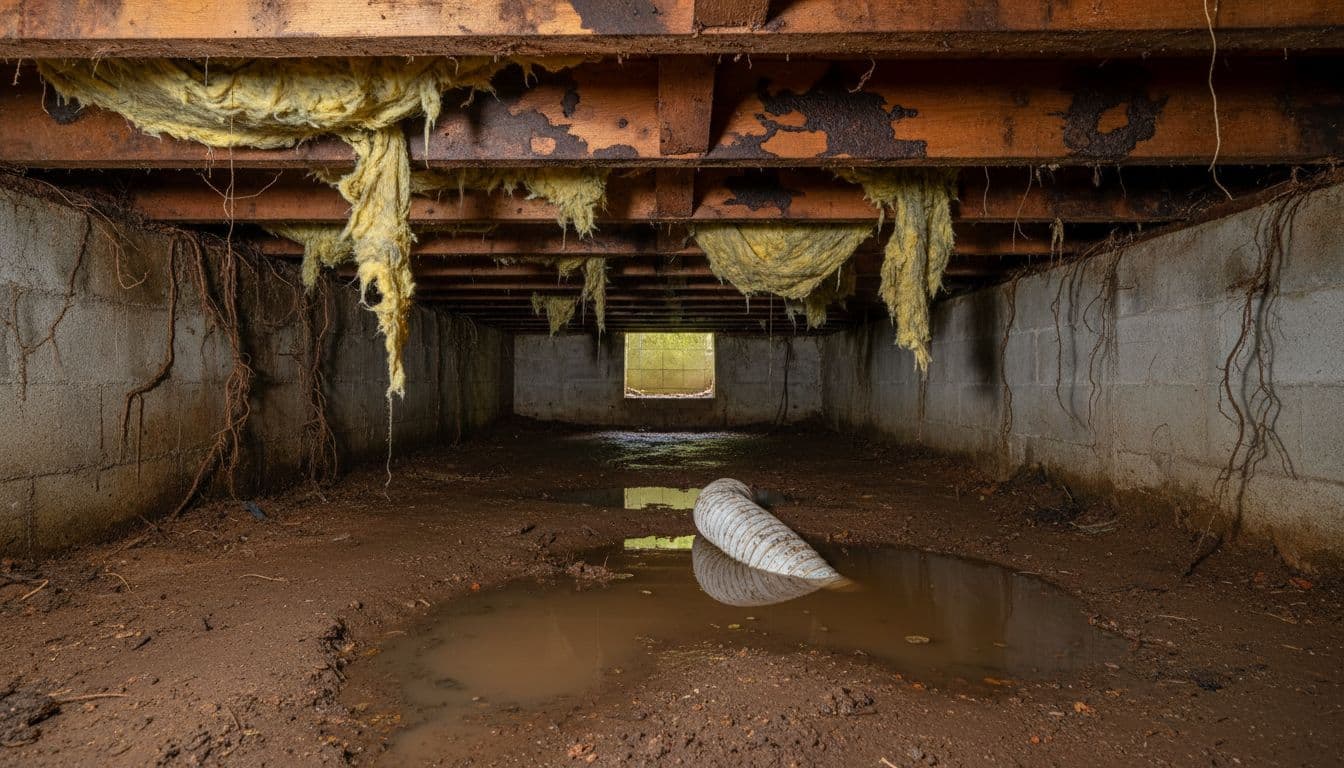
Moisture is a big deal in this area. Crawl spaces can trap damp air, especially when drainage is poor or a vapor barrier is missing or damaged. Over time, that moisture can lead to mold growth, affecting insulation, wood framing, and the floors above, which is why a mold inspection matters.
 Attics deserve the same level of attention. Poor ventilation can hold heat and moisture in the space, which may shorten roof life and reduce insulation performance. After storms, inspectors also look for signs of water intrusion, flashing issues, and roof wear that may not be obvious from the driveway.
Wood rot, grading problems, and drainage trouble also show up often enough to matter. Even a well-kept home can hide these issues if water doesn’t move away from the structure properly.
Marietta buyers and sellers don’t need to panic. They need a local eye that knows where weather and moisture tend to leave their mark.
Older homes, flips, and newer builds each need a careful look
Older homes often bring charm, mature trees, and solid locations. They can also hide deferred maintenance. Old electrical components, patchwork plumbing repairs, settling, and aging roofs tend to be more common in these homes.
Flips can be trickier in a different way. A house may look sharp on the surface while hiding rushed work underneath. New flooring can cover uneven subfloors. Fresh paint can mask past stains. New fixtures don’t always mean proper installation.
New construction isn’t off the hook either. Contractors move fast, trades overlap, and mistakes happen, sometimes overlooking building codes. Missing flashing, poor grading, incomplete sealing, and overlooked defects can all show up in a brand-new home.
That’s why contractors and homeowners often want third-party validation after a major renovation or near the end of a new build, such as a pre-drywall inspection. A clean finish doesn’t always mean complete work. A careful inspection helps verify what was done well and what still needs attention.
How to choose the right home inspector in Marietta with confidence
Not all inspectors do the same level of work. Some move fast and send thin reports. Others take time, document what matters, and explain it in plain English. In a market where one missed issue in a building inspection can cost thousands, professional home inspectors of the second type are the safer bet.
 ### Credentials, reporting quality, and communication matter most
Start with the basics. Look for a licensed inspector with insurance, solid training, and real field experience, and check home inspector reviews to verify their track record. A certified master inspector sets a high bar for quality. Then look at the report style. A useful report should include clear photos, plain-language notes, and enough detail to help clients make decisions without guessing.
This quick comparison helps:
| What to look for | Strong inspector | Lacks Credentials |
|---|---|---|
| Credentials | ASHI certified, insured, trained | Hard to verify |
| Report quality | Photo-rich, clear, organized | Short, vague, hard to use |
| Communication | Explains findings in an understandable way, no jargon | Uses jargon or rushes questions |
Communication matters more than people expect. Buyers need to know what’s serious now and what can wait. Sellers need facts they can act on. Agents need clean, fair reporting that keeps the deal focused. Contractors need direct notes that point to visible concerns, not fuzzy opinions.
The best professional home inspectors are thorough, balanced, and easy to reach after the report lands in your inbox.
Questions to ask before you book the inspection
A short call before booking can save a lot of frustration later. Ask how long the inspection usually takes, what it includes, and whether the client can attend. Also, ask when the report will arrive. In a real estate deal, slow reporting can create stress fast.
It’s also smart to ask whether the inspector handles new construction, post-renovation work, pre-listing inspections, or commercial building inspections. Inquire about ancillary services such as a radon protection plan, a roof protection plan, or a sewer inspection. Not every inspector spends equal time in those spaces.
Pay attention to how they answer. Clear, calm answers usually signal a better working relationship. If the explanation feels rushed or vague, that’s a warning sign on its own.
A good inspector doesn’t try to sound impressive. They try to be useful.
Final thoughts
A home inspection isn’t just another step on a checklist. It’s a way to protect your money, your safety, and your peace of mind. In the Marietta, GA, real estate market, where moisture, age, repairs, and fast-moving deals can all shape the outcome, a careful inspection gives you room to make smarter choices. Pick a certified master inspector, licensed and detail-focused, who gives honest findings, clear photos, and simple next steps.