
Home Inspector in Calhoun, Georgia: What Clients Should Know
As a certified, insured, and licensed home inspector, I work with buyers, sellers, agents, homeowners, and contractors who want clear facts before a big decision. In Calhoun and Gordon County, that matters. A house can look solid at first glance and still hide roof wear, moisture trouble, grading issues, or aging systems.
A good inspection slows the process down just enough to see what the home is really saying. That helps before closing, before listing, or before a new build is signed off. It also helps people plan repairs instead of getting blindsided later.
This guide keeps it simple. I’ll cover what a Home Inspector in Calhoun, Georgia, should look for, what the visit usually involves, and how a clear report helps avoid expensive surprises. If you also work in nearby markets, this guide on what to expect from a Dalton home inspector covers many of the same North Georgia issues.
What a home inspection in Calhoun should help you uncover
A home inspection is not about passing or failing a house. It’s a structural and mechanical evaluation finding visible concerns that affect safety, function, and repair cost. That sounds simple, but it matters more than people think.
In Calhoun and across Northwest Georgia, homes deal with weather, age, and moisture. Heavy rain can expose poor grading. Humid air can affect attics. Older roofs may still hold on, but they often show signs that the end of service life is close.
That’s why a careful inspection looks past paint colors and clean counters. I’m watching for deferred maintenance, active leaks, unsafe conditions, and clues that one issue may be tied to another. A stain on the ceiling may point to roof trouble. A soft floor may connect to moisture below. A tripping breaker could mean more than a minor annoyance.
Many local homes also have crawl spaces, and those areas tell a big part of the story. Moisture problems trapped under the home can lead to wood damage and indoor air quality issues. On the outside, drainage patterns, downspouts, siding wear, and soil slope often reveal how water moves around the structure.
A home inspection should bring facts into focus, not stir up fear.
Big-ticket systems, including foundation and structural issues, roof, and attic, that deserve a close look
The most expensive systems deserve the most attention because they affect daily life and long-term cost. That includes the roof, structure, foundation, attic, insulation, HVAC, plumbing, and electrical system.
If the roof is aging, leaks may not be far behind. Infrared technology helps detect hidden leaks early. If the foundation shows movement, floors and doors may start telling that story inside. Meanwhile, poor attic ventilation can shorten roof life and trap heat where it doesn’t belong.
HVAC matters just as much. The HVAC system may run during the inspection, yet still show age, weak airflow, rust, or signs of poor service history. Plumbing and electrical concerns can range from minor fixes to real safety hazards, so they need a calm, trained look.
Small warning signs that can point to bigger problems
Tiny clues often open the door to bigger repair talks. That’s why I pay attention to small things that seem easy to dismiss.
Cracks around doors or windows may be cosmetic or hint at movement. Stains on ceilings or walls often suggest a leak path. Musty smells can point to moisture that hasn’t fully dried out. Uneven floors may reflect settling, framing issues, or long-term moisture trouble.
Outside, poor drainage is a common problem. Water that flows toward the house rather than away from it rarely remains a small problem. Damaged siding, loose handrails, and slow drains also matter because they show wear, deferred upkeep, or safety concerns.
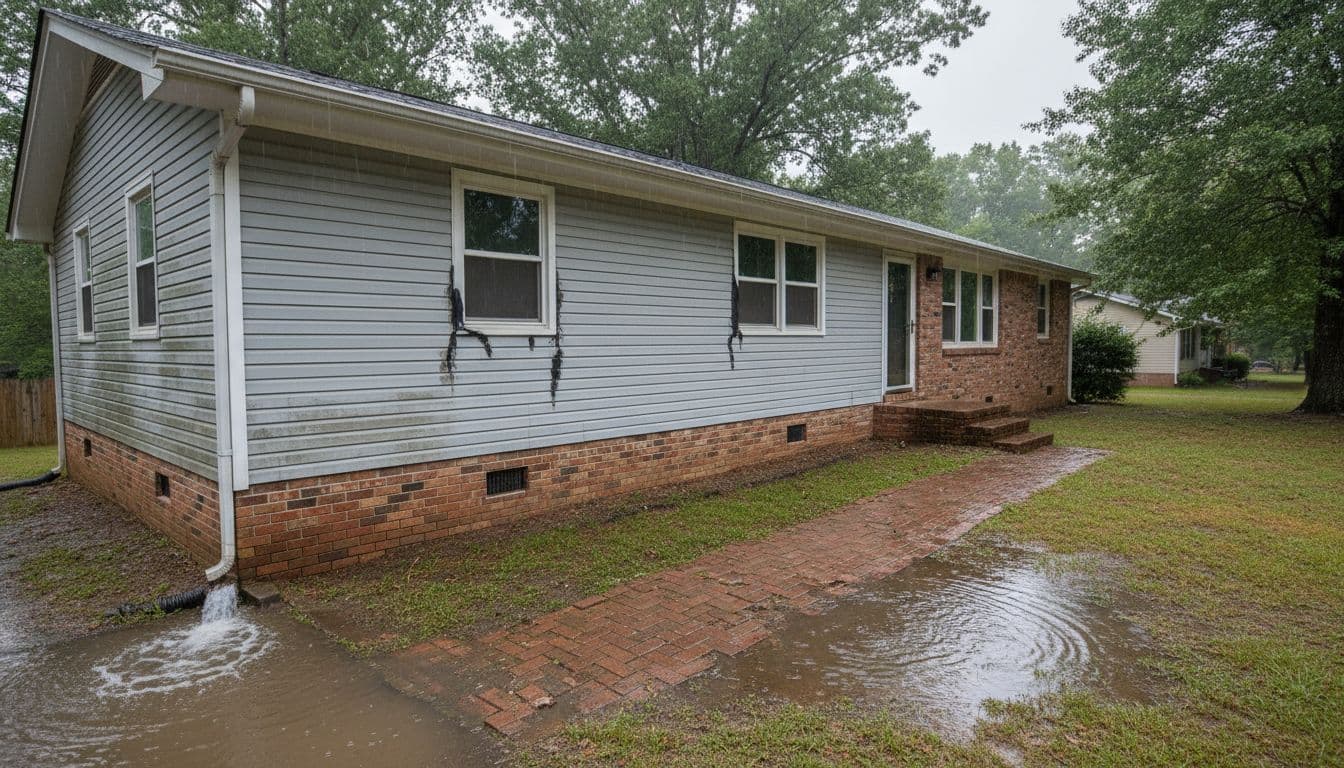 A house often whispers before it shouts. Catching those quieter signs early can save a buyer, seller, or owner from a much larger bill later.
What to expect before, during, and after the inspection
Most people feel some stress around inspection day during the home-buying process. That’s normal. The process goes smoother when everyone knows what happens and what the report is meant to do.
Here’s a simple view of the process:
| Stage | What usually happens | Why it matters |
|---|---|---|
| Before the visit | The inspection is scheduled, access is confirmed, and utilities should be on | Good access helps me see more of the home |
| During the visit | I inspect visible, accessible areas inside and outside the house | Clients get an objective look at the property’s condition |
| After the visit | The home inspection report is delivered with photos and notes | Buyers, sellers, and agents can focus on what matters most |
The main takeaway is simple: the inspector is there to report facts, not to push panic. No house is perfect, and that includes new homes. The goal is a clearer picture of the property on the day of the inspection.
How to prepare the property and get the most from the visit
For sellers and homeowners, access matters more than people expect. Please clear the way to attic entries, crawl spaces, electrical panels, water heaters, furnaces, garages, and any outbuildings included in the inspection. If storage blocks those areas, I may not be able to inspect them fully.
It also helps to have all utilities on. Replace dead light bulbs if you can, and secure pets before the visit begins. Those small steps save time and reduce the number of missed items.
For buyers and agents, arriving on time helps the day stay calm. If a walkthrough is offered, save your questions for that part. It’s easier to explain findings once the full inspection is complete and the bigger picture is clear.
How to read the report without feeling overwhelmed
Detailed inspection reports can feel like a wall of notes if you don’t know how to sort them. Start with the items that affect safety first. Then look at active leaks, structural concerns, and major systems like the roof and attic that may be nearing the end of their service life.
After that, separate the rest into two groups: things to monitor and routine maintenance. A loose doorknob does not carry the same weight as a wet crawl space. An aging water heater deserves more attention than minor caulk work.
Don’t read the report like a list of disasters. Read it like a plan.
A good report should help people prioritize. It should also use plain language, clear photos, and enough context to support smart next steps.
When to call a home inspector in Calhoun, Georgia
Most people think of inspections during a real estate transaction, but that’s only part of the picture. A Home Inspector in Calhoun Georgia can help at several stages of ownership and construction.
Buyers use inspections to learn what they’re getting before the purchase is final. Sellers use them to spot issues early and avoid delays after the house hits the market. Homeowners call for inspections when they want a better handle on maintenance or a second set of eyes after a storm. Contractors and builders often bring in an independent inspector before a final walkthrough.
We also offer specialty services like radon testing, termite inspection, mold testing, and sewer scope to address specific concerns. Local business owners can benefit from our commercial property inspections, too.
Timing changes the purpose, but the value stays the same. You get a clearer picture and fewer surprises.
Buying or selling a home with fewer surprises
For buyers, the report helps separate small upkeep items from major concerns. That makes repair requests more focused and more reasonable. It also helps with budgeting. If the HVAC is older and the roof has visible wear, that affects planning even if the deal moves forward.
Sellers can also benefit from seller’s inspections. Finding issues before a buyer does gives the seller more control. They can repair certain items, gather receipts, or price the home with the condition in mind. That often leads to fewer last-minute headaches.
Agents benefit too. When both sides have better information, conversations stay more grounded and deals tend to move with less friction.
Checking a new build before the final walkthrough
A new home may smell fresh and still have defects. That’s not a shot at builders. It’s just the reality of busy job sites, tight schedules, and many moving parts.
I often see issues such as foundation and structural problems, HVAC system problems, plumbing and electrical concerns, missing insulation, poor drainage, incomplete flashing, reversed wiring, loose fixtures, and cosmetic finishes that hide a larger problem. Some items are simple punch-list fixes. Others deserve attention before closing because they’ll be harder to correct after move-in.
That’s why new construction inspections before the final walkthrough, including a pre-drywall inspection, can be so helpful. Fresh paint can hide a lot. Independent eyes help catch what rushed eyes may miss.
How to choose a home inspector you can trust
Not all inspections feel the same because not all inspectors work the same way. Some move too fast and hand over a thin report. Others take time, explain what matters, and give clients something useful.
Trust starts with how the inspector communicates. You should feel comfortable asking questions. You should also get straight answers, not vague language or pressure.
Credentials, insurance, and local experience matter
Look for certified home inspectors who are InterNACHI- or ASHI-certified, insured, and committed to ongoing training. Local experience matters too. Homes in this part of Georgia have patterns, and a local inspector knows where those patterns tend to show up, as well as the local building codes.
That includes crawl space moisture, weather-related roof wear, grading problems, attic ventilation issues, and the quirks that come with older homes or quick new construction. A person who understands local housing is more likely to spot the issues that matter here.
Clear reports and honest communication make the difference
A strong report should be easy to read. It should include photos (such as from drone inspections for hard-to-reach roofs), plain-English notes, and a clear sense of priority. Clients shouldn’t need a translator to understand what the house is saying.
Just as important, the tone should stay calm. Good inspectors educate. They don’t try to scare people into a decision. The best service gives you facts, answers your questions, and leaves you better prepared than you were before.
A careful inspection can save money, reduce stress, and bring clarity to a very big decision. Whether you’re buying, selling, maintaining a home, or wrapping up a build, clear information puts you in a better spot. As a certified and insured local inspector, that’s the goal every time: give you a true picture of the property so you can move forward with confidence with a home inspector in Calhoun, Georgia.